Fresh-Milled Flour vs. Store-Bought: What's the Difference & How Should You Store It?
Have you ever wondered what happens to wheat between the field and the bag of flour sitting on a grocery store shelf?
Most of us grew up baking with store-bought flour without giving it much thought. It's convenient, familiar, and works beautifully in countless recipes. But there's another way to enjoy flour—one that brings us a little closer to the grain itself.
At Fuel + Nourish Co., we love the simplicity of fresh-milled flour. It's flour made from whole wheat berries, milled in small batches, with the naturally occurring parts of the grain still intact.
Let's explore what makes it different and how to keep it fresh in your kitchen.
What's the Difference Between Fresh-Milled and Store-Bought Flour?
The biggest difference comes down to how the grain is processed.
A whole wheat berry contains three main parts:
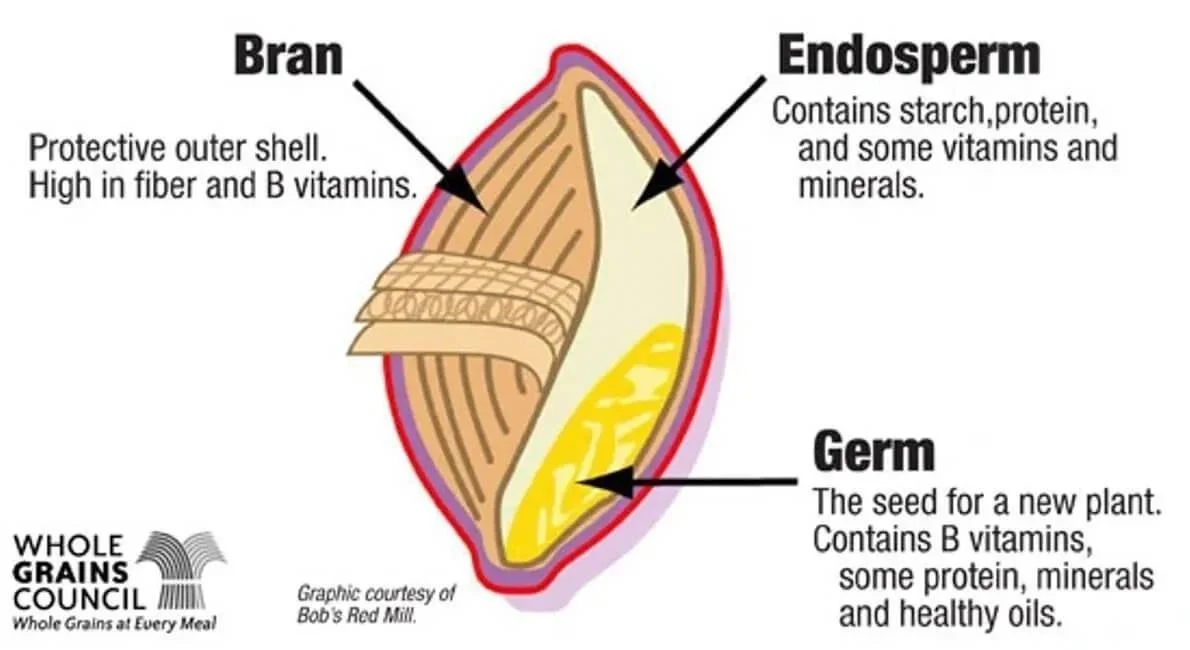
Bran: The outer layer, rich in fiber and naturally occurring minerals.
Germ: The nutrient-dense portion containing healthy fats, vitamin E, and several B vitamins.
Endosperm: The largest portion, primarily made up of starch and protein.
When wheat berries are milled whole, all three parts become part of the flour.
Traditional refined white flour is processed differently. The bran and germ are removed, leaving primarily the endosperm. This produces a lighter flour with a longer shelf life, but it also removes much of the grain's naturally occurring fiber and certain nutrients.
In the United States, many refined flours are enriched with selected vitamins and iron to replace some of the nutrients lost during processing. However, enrichment doesn't restore the original fiber or the complete nutritional composition of the whole grain.
One important distinction: Store-bought whole wheat flour can also contain all three parts of the grain. Fresh-milled flour isn't automatically more nutritious than every store-bought flour; its defining advantage is that it has been milled recently.
Why Does Freshness Matter?
Once a wheat berry is milled, more of its surface area is exposed to oxygen.
The natural oils found in the wheat germ can gradually oxidize, affecting the flour's flavor and freshness over time.
Fresh milling allows us to enjoy the grain closer to its original state, before extended storage.
Many home bakers notice:
A fuller, naturally nutty wheat flavor.
A pleasant, distinctive aroma.
More character in homemade breads, muffins, and cookies.
The opportunity to choose different wheat varieties for different baking needs.
Fresh-milled flour also behaves differently in recipes. Whole-grain flour often absorbs more water than refined white flour, and its bran can affect gluten development.
That means a recipe may need a little extra hydration or resting time. It's part of learning to bake with the whole grain.
How Should You Store Fresh-Milled Flour?
Because fresh-milled whole wheat flour contains the grain's natural oils, proper storage is especially important.
Unlike refined white flour, whole-grain flour is more susceptible to developing rancid flavors during extended storage, particularly in warm or humid conditions.
Here is how we recommend caring for your flour.
1. Store in an airtight container
Transfer your flour into a clean, dry, airtight glass jar or food-safe container. This helps protect it from moisture, pests, and unwanted odors.
2. Refrigerate for everyday use
Refrigeration slows oxidation and helps preserve freshness. It's especially helpful in warm, humid climates like Florida.
3. Freeze for longer storage
If you aren't planning to bake soon, freezing is an excellent option. Divide flour into airtight, freezer-safe portions so you can remove only what you need.
4. Keep wheat berries whole when possible
Whole, dry wheat berries generally store much longer than milled flour when protected from moisture, heat, and pests. This is one reason milling just before baking is such a wonderful option.
How Long Does Fresh-Milled Flour Last?
Storage conditions, grain type, packaging, and temperature all affect freshness. These are conservative guidelines for maintaining good baking quality, not guaranteed food-safety expiration dates.
Storage method
Suggested quality window
Room temperature, cool and dry
Ideally use within 1–2 weeks
Refrigerator, airtight
Approximately 1–3 months
Freezer, airtight
Approximately 3–6 months for best quality
For the freshest flavor, we encourage baking sooner rather than later.
If your flour develops an unpleasant, rancid, or paint-like smell, discard it. If you notice mold or moisture damage, do not use it.
When removing frozen flour, allow the sealed container to come to room temperature before opening to reduce condensation.
Can You Substitute Fresh-Milled Flour in Your Favorite Recipes?
Absolutely! But there are a few things worth knowing.
Fresh-milled flour can be used for everything from homemade sandwich bread to cookies, muffins, pancakes, and cinnamon rolls.
However, different wheat varieties have different baking characteristics.
Hard white wheat generally has more protein and is a wonderful choice for yeast breads, rolls, and other recipes that benefit from stronger gluten development.
Soft white wheat typically has less protein, making it a lovely option for tender cookies, muffins, pancakes, and quick breads.
When trying fresh-milled flour for the first time, consider replacing only part of the flour in your favorite recipe. Gradually increasing the amount allows you to learn how the dough or batter responds.
A little experimentation can go a long way.
A More Intentional Way to Connect With Your Food
At Fuel + Nourish Co., we believe understanding where our ingredients come from is just as meaningful as what we make with them.
Fresh-milled flour isn't about making baking complicated. It's about rediscovering a simple ingredient and appreciating the whole grain.
Whether you're baking your first loaf of bread, making cookies with your children, or simply curious about what's in your pantry, small changes can make the kitchen feel a little more intentional.
You don't need your own grain mill to get started, either.
That's why we're excited to make fresh-milled flour available to our community, helping more home bakers experience whole grains without needing specialized equipment.
Simple ingredients. Thoughtful choices. Nourishment from the ground up.
With care,
Ashley at Fuel + Nourish Co.